L'Alliance Virale : Comment les Co-Infections Piratent le Système Immunitaire
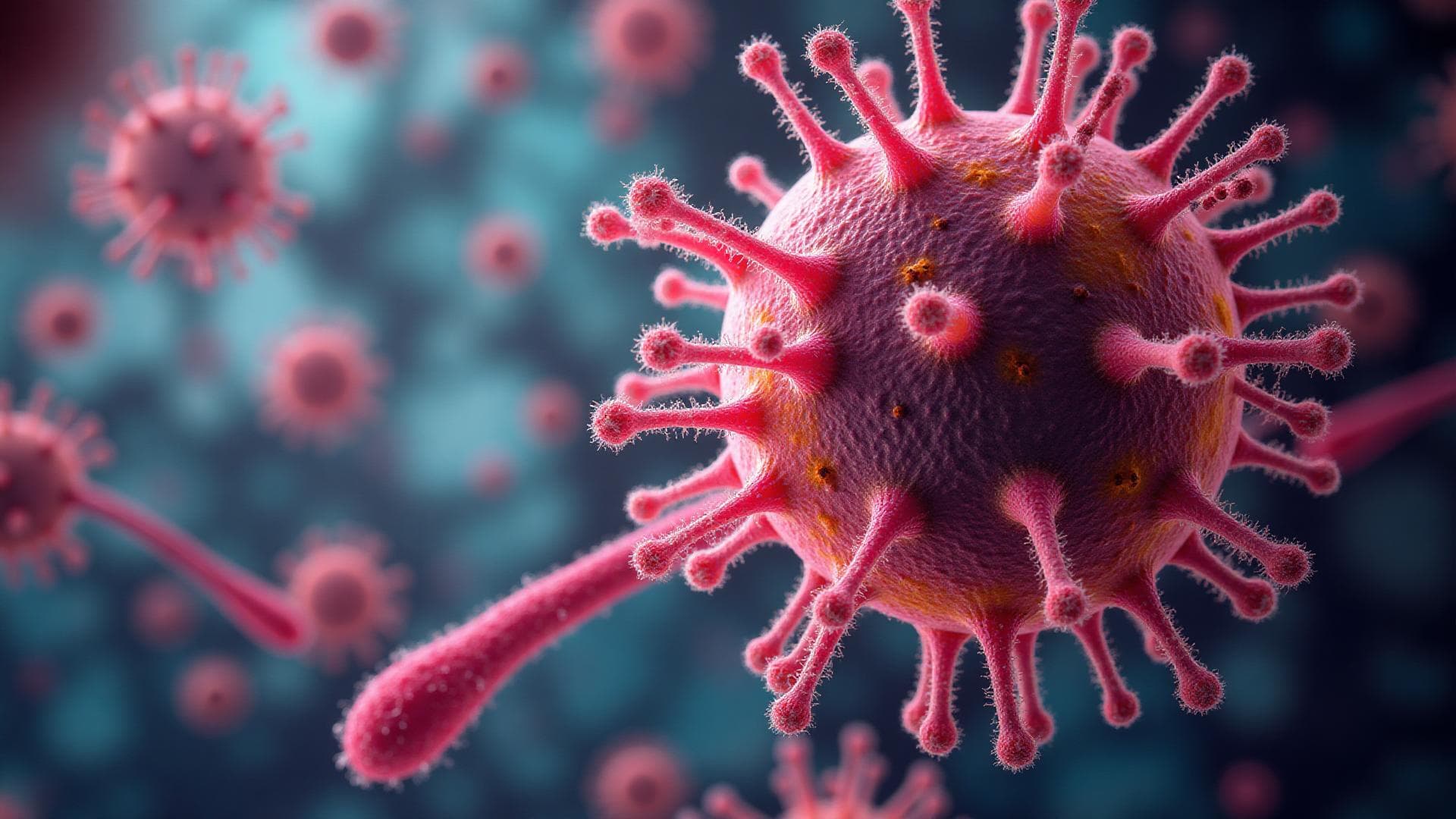
La focalisation dogmatique de la médecine sur l'agent pathogène isolé Borrelia burgdorferi est l'une des plus grandes erreurs de l'infectiologie moderne. Dans la réalité microbiologique, les agents pathogènes n'opèrent jamais en vase clos ; ils forment des réseaux hautement complexes, remarquablement adaptables et synergiques. Tout comme dans mes recherches approfondies sur les rétrovirus et le virus de l'immunodéficience humaine (VIH), nous observons dans la maladie de Lyme chronique une suppression immunitaire absolument comparable et pratiquement orchestrée, principalement médiée par ce que l'on appelle les « co-infections ».
La Synergie Pathogène : Une Danse Mortelle
Lorsqu'une cohorte de patients ne guérit pas après des semaines de thérapie antibiotique, souvent par voie intraveineuse, ce n'est presque jamais à cause de « super-bactéries » mutantes ou de l'imagination du patient. C'est presque exclusivement dû à la faune microbiologique qui l'accompagne.
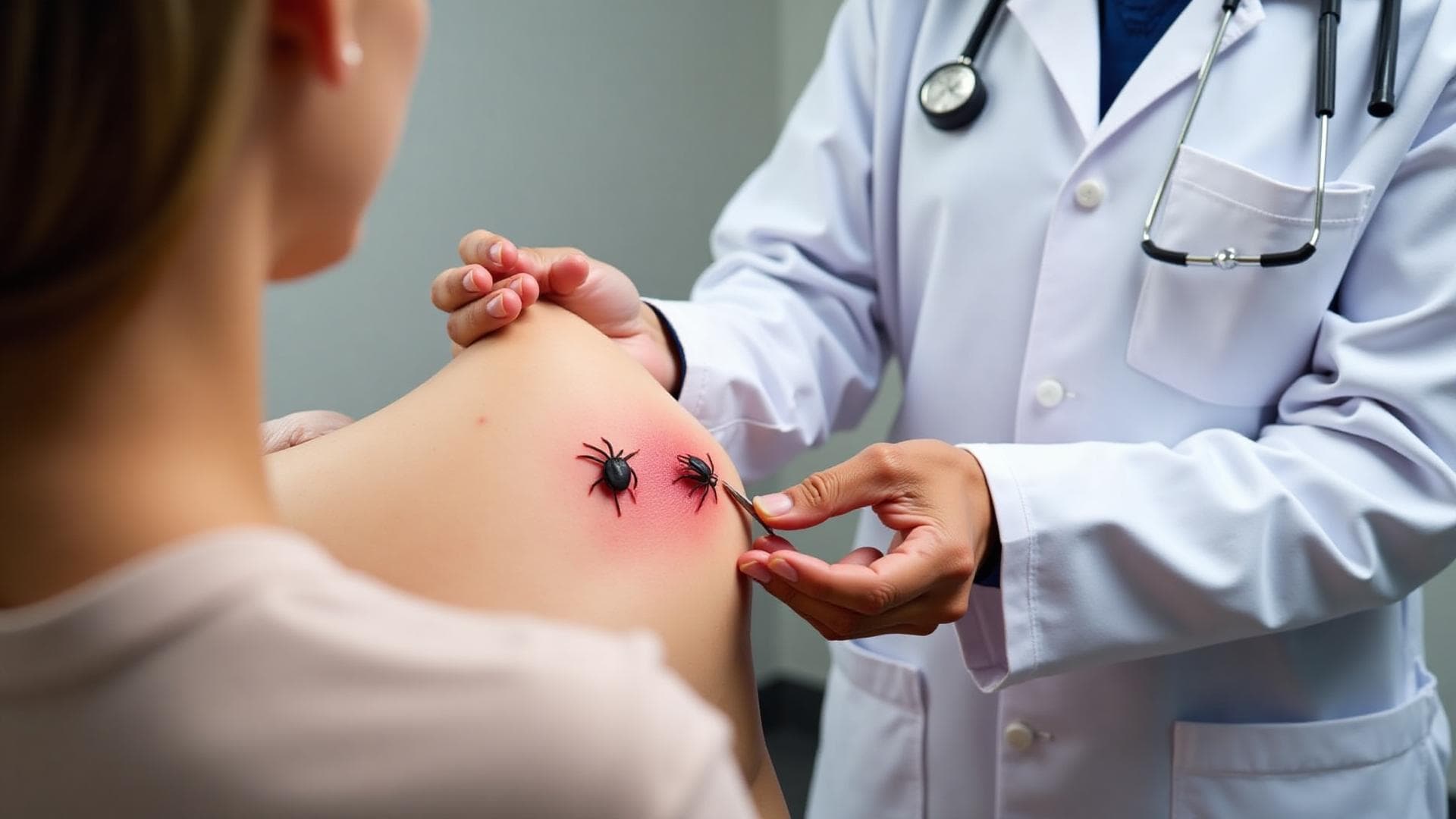
La morsure d'une tique infectée transmet rarement seulement la Borrelia. Elle injecte un réservoir entier et hautement toxique : Bartonella, Babesia, Rickettsia, Anaplasma et Mycoplasma. Ces agents pathogènes luttent très rarement entre eux pour les ressources de l'hôte. Au contraire : ils coopèrent stratégiquement grâce à la détection du quorum (quorum sensing). En utilisant le transfert de gènes, ils s'échangent des plasmides, stabilisent mutuellement leurs biofilms extracellulaires (matrice visqueuse) et déconstruisent méthodiquement la réponse des cellules T de notre corps en régulant à la hausse les cytokines anti-inflammatoires (telles que l'Interleukine-10).
Les Trois Cavaliers des Co-infections
Pour guérir les maladies multisystémiques chroniques, le médecin traitant doit diagnostiquer avec précision les « empreintes » spécifiques des co-infections dominantes. Chaque groupe possède une signature destructrice très spécifique au sein du corps humain :
Babesia : Les Générateurs d'Hypoxie
La babésiose n'est pas une infection bactérienne, mais un dangereux parasite sanguin (protozoaire) semblable à la malaria. Il infecte, se multiplie et finit par détruire nos globules rouges (érythrocytes). Cela génère une cascade micro-thrombotique conduisant à une chronique, à la « faim d'air » (la sensation terrifiante de ne pas pouvoir respirer assez profondément) et à des sueurs nocturnes soudaines et extrêmes où les patients doivent littéralement changer leurs draps. Les antibiotiques classiques comme la doxycycline sont totalement inefficaces contre ces parasites — Babesia nécessite d'urgence des médicaments antiparasitaires très spécifiques (par exemple, Atovaquone/Azithromycine).
Bartonella : Les Destructeurs Endothéliaux
Bartonella henselae et les souches apparentées ciblent exclusivement les parois des vaisseaux sanguins et le système nerveux central. Les infections à Bartonella provoquent une inflammation microvasculaire extrême, la sensation de « plantes de pieds brûlantes » au réveil, des symptômes psychiatriques profonds (crises de rage, graves dépressions dues à l'inflammation cérébrale) et souvent des lésions cutanées typiques en forme de stries (stries de Bartonella) qui sont à tort considérées comme de banales « vergetures ».
Mycoplasma : Le Voleur Intracellulaire
Les mycoplasmes sont les plus petites bactéries libres connues. Leur caractéristique unique : elles ne possèdent pas de paroi cellulaire. Cela les rend immunisées contre presque tous les antibiotiques bêta-lactamines (comme la pénicilline). Elles pénètrent profondément dans nos cellules et s'emparent des nutriments essentiels (par exemple le cholestérol et les acides aminés). Elles déclenchent de graves dégénérescences articulaires, de robustes pneumonies atypiques chroniques et des quintes de toux persistantes.
Réactivation : L'Éveil Viral des Ombres
L'un des mécanismes les moins compris dans la maladie chronique post-Lyme est l'éveil explosif des virus endogènes. Presque tous les individus du monde occidental portent passivement le virus d'Epstein-Barr (EBV), le cytomégalovirus (CMV) ou l'herpèsvirus humain 6 (HHV-6) tout au long de leur vie, généralement en dormance dans le liquide céphalo-rachidien ou dans les cellules B. En temps normal, un système immunitaire intact les maîtrise très facilement (latence).
Cependant, lorsque le consortium Borrelia/Bartonella commence à manipuler systématiquement l'architecture des cytokines de l'organisme, une profonde « zone morte immunologique » se crée. Le système immunitaire est alors dévié vers un « faux ennemi » biochimique. C'est exactement dans cette fenêtre d'obscurcissement et d'immunosuppression cellulaire que les virus herpétiques dormants se réveillent en force.
"La conséquence fatale et tragique dans la pratique clinique : Le patient souffre soudainement d'une réactivation foudroyante et hautement toxique de l'EBV. Les médecins diagnostiquent alors une 'fièvre ganglionnaire chronique' (mononucléose) tandis que la véritable maladie de Lyme — le chef d'orchestre instigateur — échappe à toute détection et se retire silencieusement dans les couches tissulaires profondes de son système nerveux central."
Biophysique : Signaux EMS et Mémoire de l'Eau
Dans mes travaux de recherche plus récents, qui ont fait polémique (ce qui m'a valu d'extrêmes critiques en tant que virologue), j'ai pu mesurer des signaux électromagnétiques de basse fréquence (EMS) dans des dilutions aqueuses extrêmement grandes d'ADN hautement pathogène (comme ceux de Mycoplasma pirum et de Borrelia). Nous avons de très solides raisons physiques de croire que les agents pathogènes viraux et bactériens communiquent entre eux dans le plasma sanguin, non pas chimiquement, mais à un niveau purement biophysique. Ils coordonnent et synchronisent leurs phases d'attaque et de défense grâce à ces champs de résonance. Une thérapie d'éradication réussie devra donc, à l'avenir, idéalement intégrer ces aspects de résonance biophysique.
La Solution Virologique et Antiparasitaire
La monothérapie unidimensionnelle utilisant des antibiotiques standards revient à essayer d'arrêter net un orchestre symphonique complexe de 100 musiciens en se contentant de retirer le pupitre du premier violon. Tandis que les antibiotiques forcent rapidement la Borrelia à se retirer dans ses formes kystiques inattaquables, le reste de l'ensemble hautement pathogène — en particulier les virus et la Babesia — prospère sans aucune entrave ni frein.
Le traitement des maladies multisystémiques chroniques exige inexorablement une approche orchestrée, multisystémique et fractionnée. Avant même de lancer l'attaque antibactérienne primaire, la charge virale doit impérativement être réduite (par exemple, par le biais d'antiviraux systémiques à base de plantes ou par une thérapie ciblée à l'ozone à haute dose). Simultanément, les co-infections parasitaires comme Babesia doivent être éradiquées en priorité absolue, car ce sont elles qui maintiennent le sang constamment toxique et bloquent drastiquement l'oxygénation cellulaire.
Ce n'est qu'en détruisant radicalement l'ensemble de cette « Alliance Pathogène » que l'endothélium humain naturel et le système immunitaire regagneront finalement l'opportunité de nettoyer le terrain microbiologique et de permettre une guérison systémique.
Références scientifiques & Études fondées sur des preuves
- [1]
Montagnier, L., et al. (2009): Electromagnetic signals are produced by aqueous nanostructures derived from bacterial DNA sequences. Interdisciplinary Sciences: Computational Life Sciences
- [2]
Vannier, E. G., et al. (2015): Babesiosis. Infectious Disease Clinics of North America
- [3]
Breitschwerdt, E. B. (2014): Bartonellosis: One Health Perspectives for an Emerging Infectious Disease. ILAR Journal