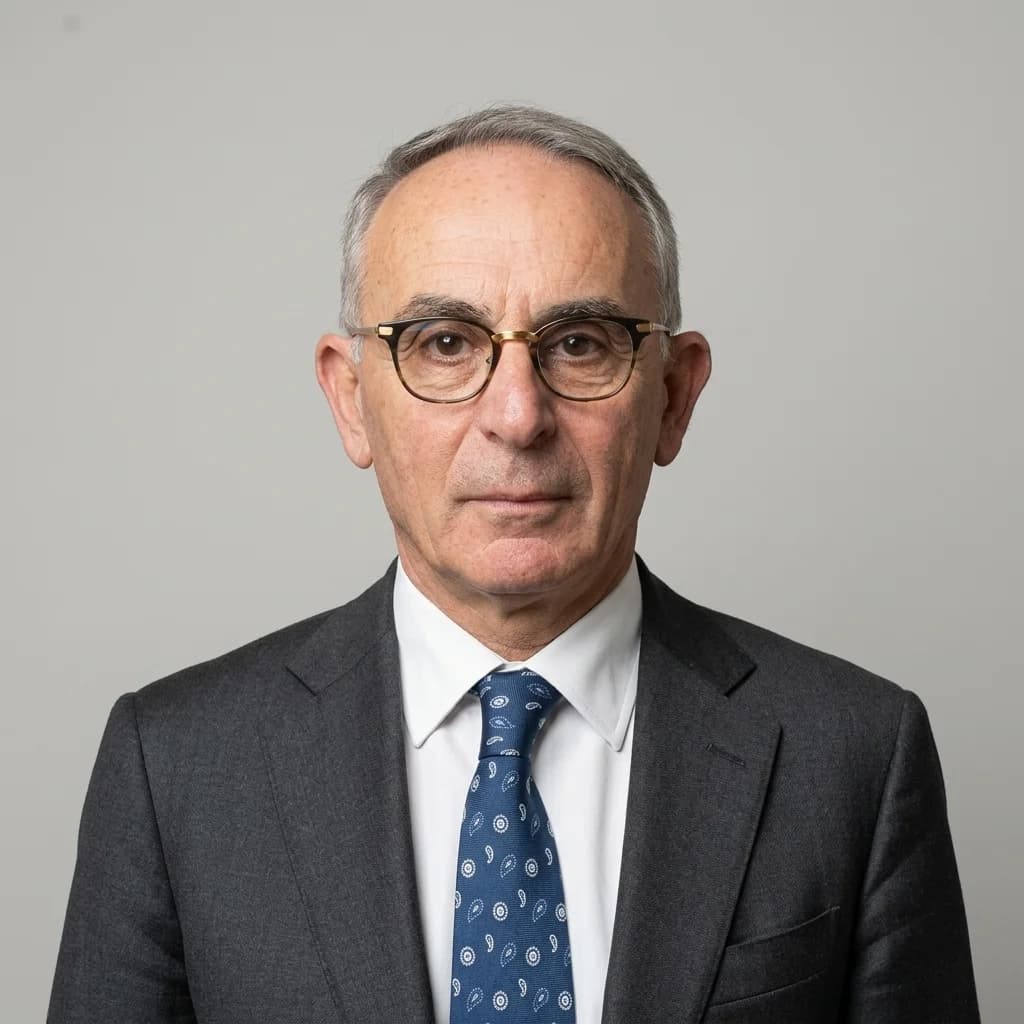
Prof. Dr. Raoul Saggini

Prof. Dr. Raoul Saggini

Rehabilitation & Posture ExpertM.D., Ph.D.

Professor of Physical and Rehabilitative Medicine. Expert in body statics and chronic pain syndromes.

Areas of Expertise

Rehabilitative MedizinKörperstatikHaltungsanalyseChronischer SchmerzMuskuloskelettale Medizin

Research Focus

Infections change body statics. A constant inflammatory stimulus in the fascia forces the body into chronic relief postures, which in turn trigger their own pain cycles.

Biography & Career

Prof. Dr. Raoul Saggini is a full professor of Physical and Rehabilitative Medicine at the University of Chieti-Pescara (G. d'Annunzio) in Italy. His research encompasses high-precision biomechanical analysis of posture and movement. His approach is based on the realization that persistent infections can trigger profound neuromuscular dysregulation. He develops innovative rehabilitation concepts for chronic pain patients (e.g. fibromyalgia or post-Lyme) whose structural balance has been destroyed by pathogen-induced inflammation in the connective tissue (fascia).

Technical Deep-Dive

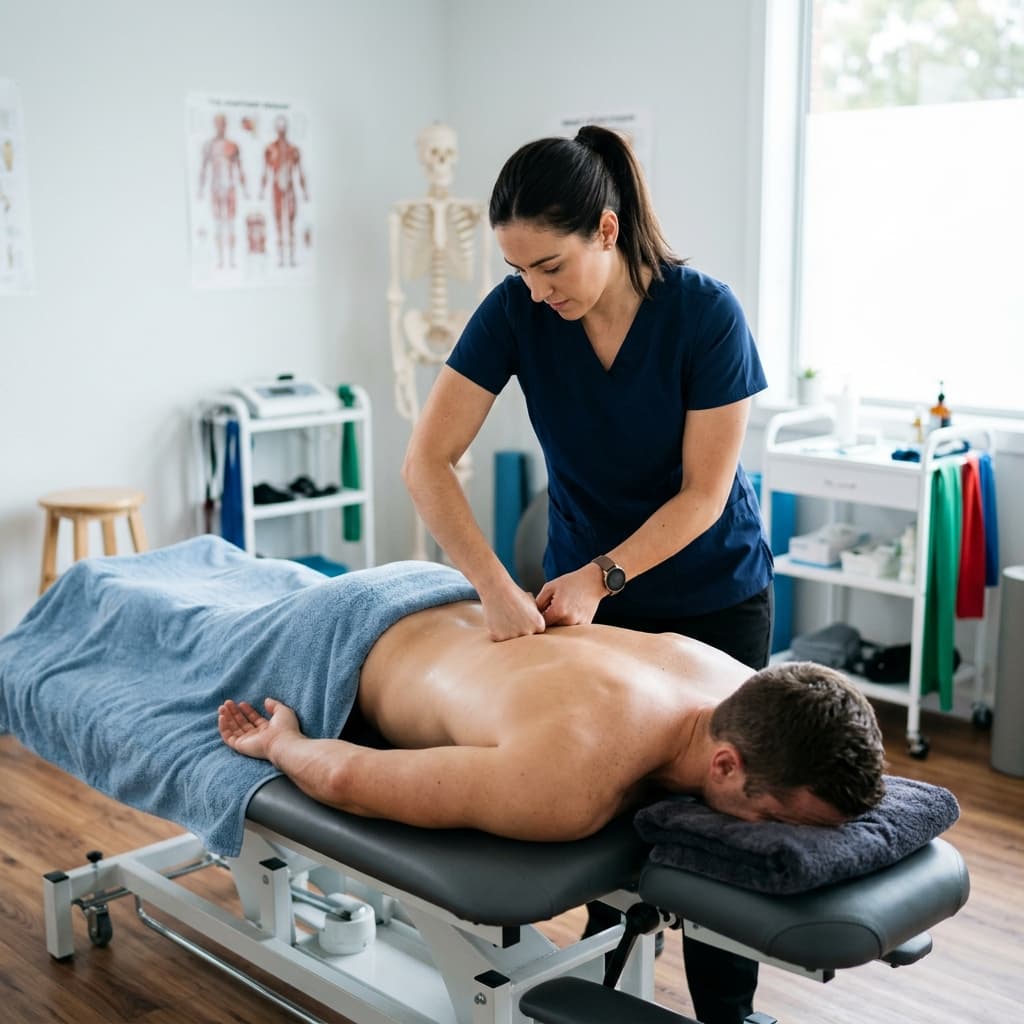
The "postural receptors" researched by Prof. Saggini (in the soles of the feet, eyes, temporomandibular joint) report a constant stress reaction when the surrounding fascial tissue is chronically inflamed by pathogens such as Borrelia or Rickettsia (fasciitis). The results are incorrect loading often dismissed as "inexplicable joint pain". Saggini's rehabilitation protocols use biomechanical reprogramming (e.g. individually calibrated proprioceptive insoles, mechanical vibration therapy) to free the central nervous system from this infection-induced shock paralysis.

Myth-Busting

Myth

Joint pain after an infection is pure "imagination" or wear and tear.

Fact

False. Pathogens primarily attack collagenous tissue. The resulting inflammation leads to a measurable, physical change in body statics, which mechanically destroys the cartilage.

Role in VBCI e.V.

Member of the VBCI e.V. Scientific Advisory Board. Advises on the indispensable rehabilitative support for patients with chronic infections.

Articles by